
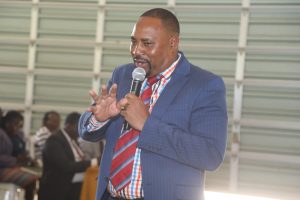
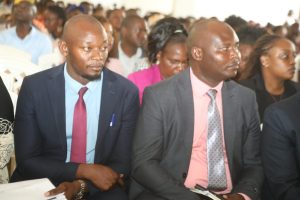
Through a powerful demonstration of people-centric governance, Kitui County’s minister for Finance, Hon. Peter Mwikya, presided over a crucial public participation forum on the county’s annual draft budget estimates for the 2025/2026 financial year. The forum, held at the Kenya Forestry Research Institute (KEFRI) in Kitui Town, drew a cross-section of residents from all constituencies, all keen to engage and contribute to the county’s financial planning process. The event , more than just a legal requirement it was a resounding affirmation of Kitui’s commitment to participatory democracy, transparency, and the collective shaping of its development agenda. With a tone of optimism and responsibility, Hon. Mwikya laid out the key features of the upcoming budget and emphasized the significance of community engagement in resource allocation.
The total budget for the financial year stands at a robust Sh13.7 billion, and Minister Mwikya was keen to spotlight the strategic allocation of these resources. Notably, Sh4.4 billion -32% of the total is earmarked for development, surpassing the constitutional minimum threshold of 30%. This, he noted, is a reflection of the progressive leadership under Governor Dr. Julius Malombe, whose administration has consistently prioritized infrastructure, service delivery, and economic empowerment. The recurrent expenditure, which covers essential county operations, is allocated Sh9.3 billion (67.8%). This delicate balance ensures that while government functions remain stable, meaningful investments in long-term growth are not sacrificed. It is a calculated vision of sustainability and strategic growth that promises real impact.

The minister also outlined projected revenue sources, including Sh11.38 billion in equitable national revenue share, Sh1.07 billion in own source revenue, and Sh1.29 billion from grants. The budget allocations reflect careful attention to sectoral needs. Health and Sanitation emerged as the top beneficiary with Sh4.042 billion, reaffirming the county’s priority in improving public healthcare systems. The Education sector will receive Sh1.1 billion, enhancing learning infrastructure and access. Roads and Transport, critical to rural connectivity and trade, will be allocated Sh951 million, while the Ministry of Agriculture and Livestock gets Sh657 million, signaling support for food security and rural livelihoods. Other key sectors such as Water, Energy, Trade, Culture, and Finance have also been well funded, showing a holistic and inclusive budget that leaves no sector behind.


The forum was attended by several high-ranking county officials who presented their ministries’ budget breakdowns and engaged directly with the public. Among them were CECM for Trade Rose Mutuku and Chief Officers Aggrey Kamba, Paul Ngei, Lyn Kitwan, and Ketonye Musya, who responded to questions and provided insight into departmental priorities. Their presence added depth and clarity to the process, turning the event into a dynamic dialogue between leadership and citizens. As the county moves forward, this budget not only reflects numbers and projections but tells a powerful story of ambition, accountability, and alignment with the needs of the people. Kitui is not merely budgeting—it is building. And with the groundwork being laid today, the future looks distinctly brighter for every resident across its vast and diverse landscape.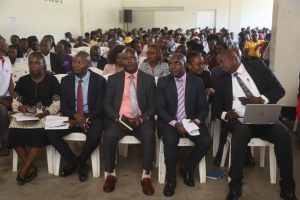
About The Author