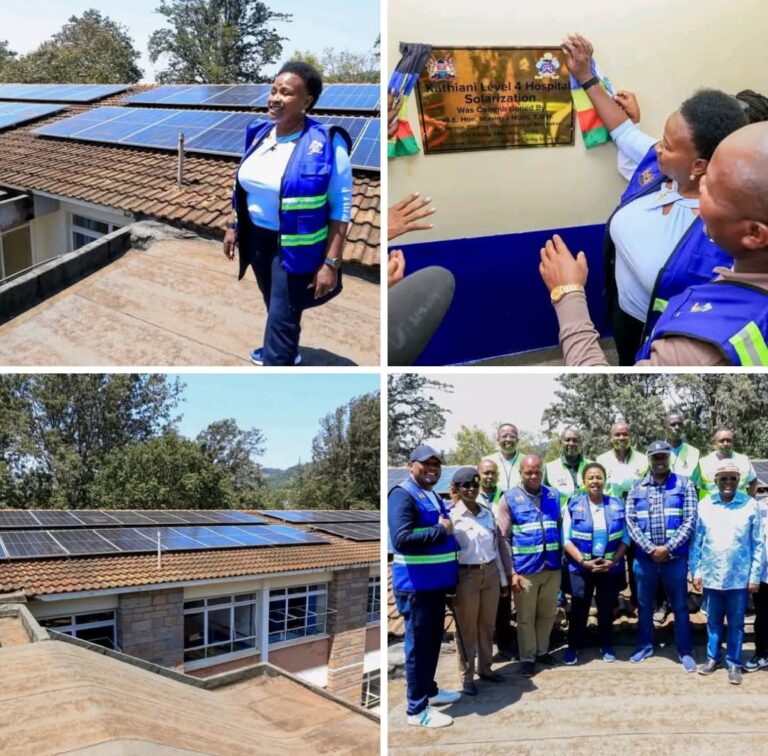
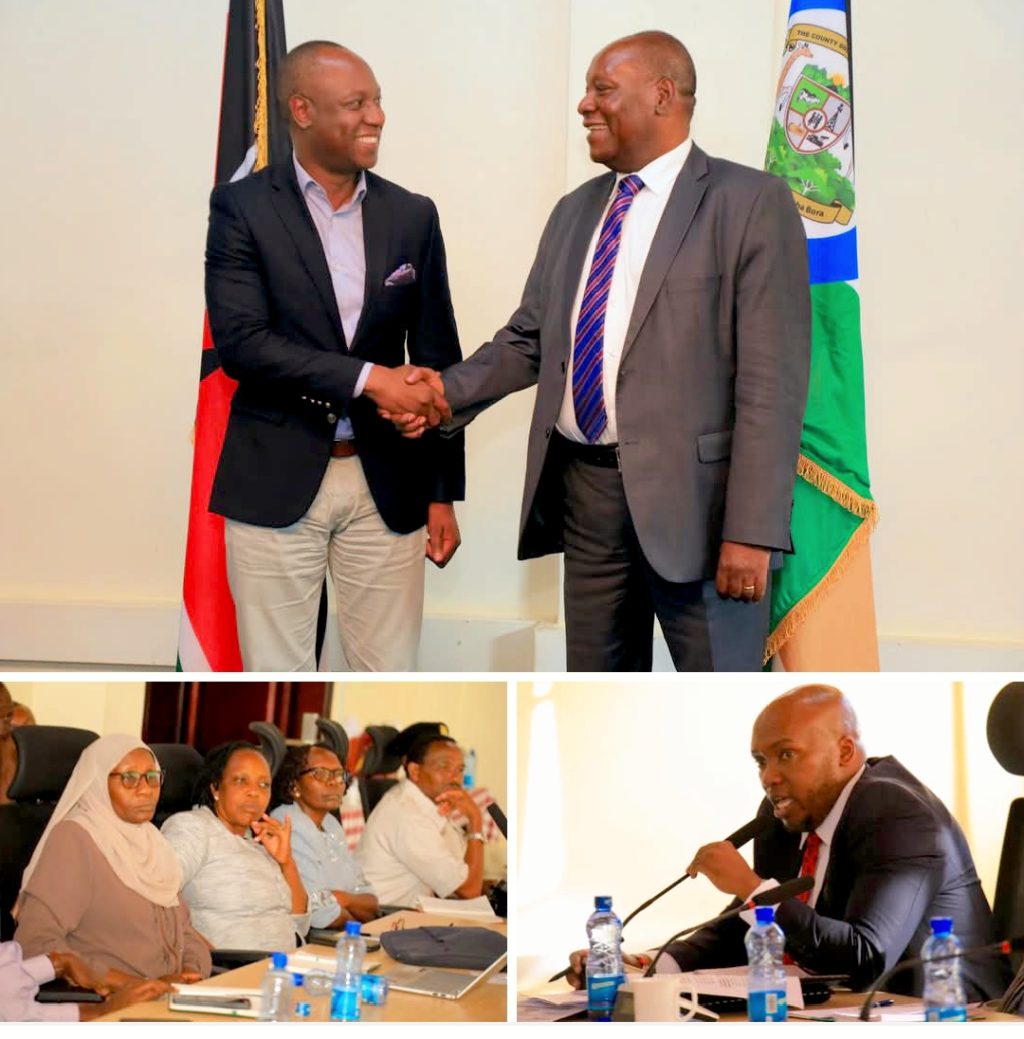
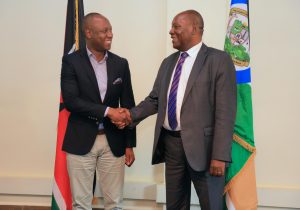
Kitui Governor Dr. Julius Malombe and Livestock Principal Secretary Jonathan Mueke convened in Kitui to steer forward two transformative projects: a sprawling 5,000-acre commercial feedlot and a cutting-edge Livestock Training Institute in Kanyonyoo. These projects, greenlit by the County Executive on April 9, 2025, are more than infrastructure they are pillars of a broader strategy to elevate Kitui as a livestock powerhouse. With sensitization forums and site visits already conducted on May 2, the groundwork for implementation is rapidly solidifying.
The commercial feedlot, a first of its scale in the region, aims to position Kitui as a center for premium beef production, while the 100-acre training institute will become a nucleus for advanced skills in animal health, range management, livestock production, and value addition. “These are not just projects they are long-term investments in people, in livelihoods, and in resilience,” emphasized PS Mueke. The institute will groom the next generation of livestock experts, transforming rural know-how into formalized knowledge and modern agri-business acumen.
This bold venture is part of a sweeping national agenda that includes establishing livestock training hubs in counties like Migori, Baringo, and Nandi Hills, alongside feedlots in Baringo, Meru, and Wajir. These developments are not isolated they represent a deliberate, strategic effort by the government to intensify livestock productivity, improve breed quality, enhance animal health, and uplift entire value chains. If successful, this initiative could catapult the livestock sector’s GDP contribution from the current 12% to a target 20%—a leap with profound implications for national food security and economic equity.
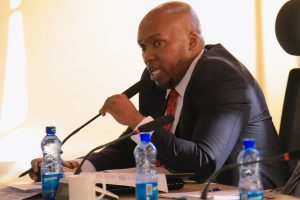
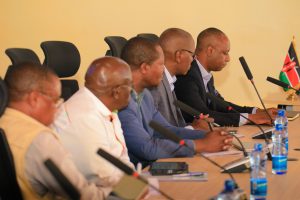
Kitui’s feedlot and training institute are designed to ripple far beyond county borders, serving neighboring counties such as Makueni, Machakos, Garissa, Kwale, and even coastal regions like Mombasa and Lamu. By transforming Kitui into a livestock development epicenter, the government is not only addressing the economic pulse of the county but also threading a lifeline through arid and semi-arid lands long starved of sustainable opportunity. In a region where cattle is currency and drought is a threat, these projects spell a new dawn a promise of prosperity, powered by innovation and fortified by political will.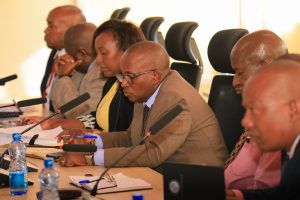
About The Author