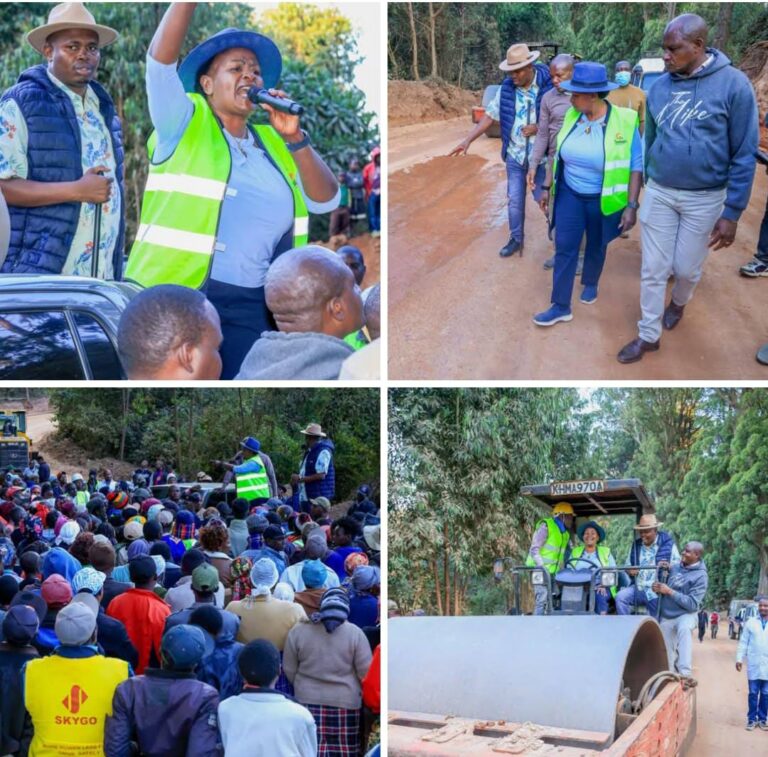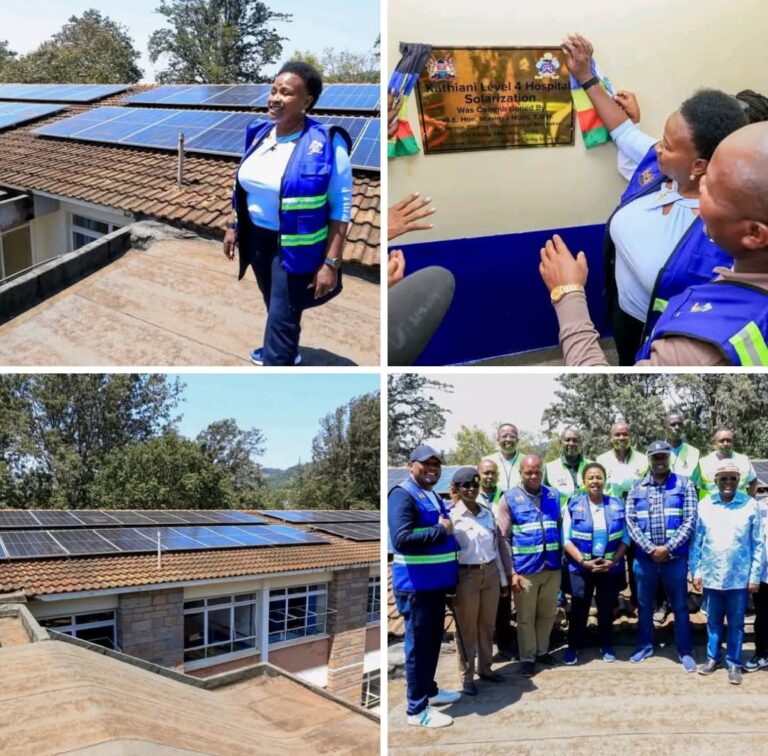
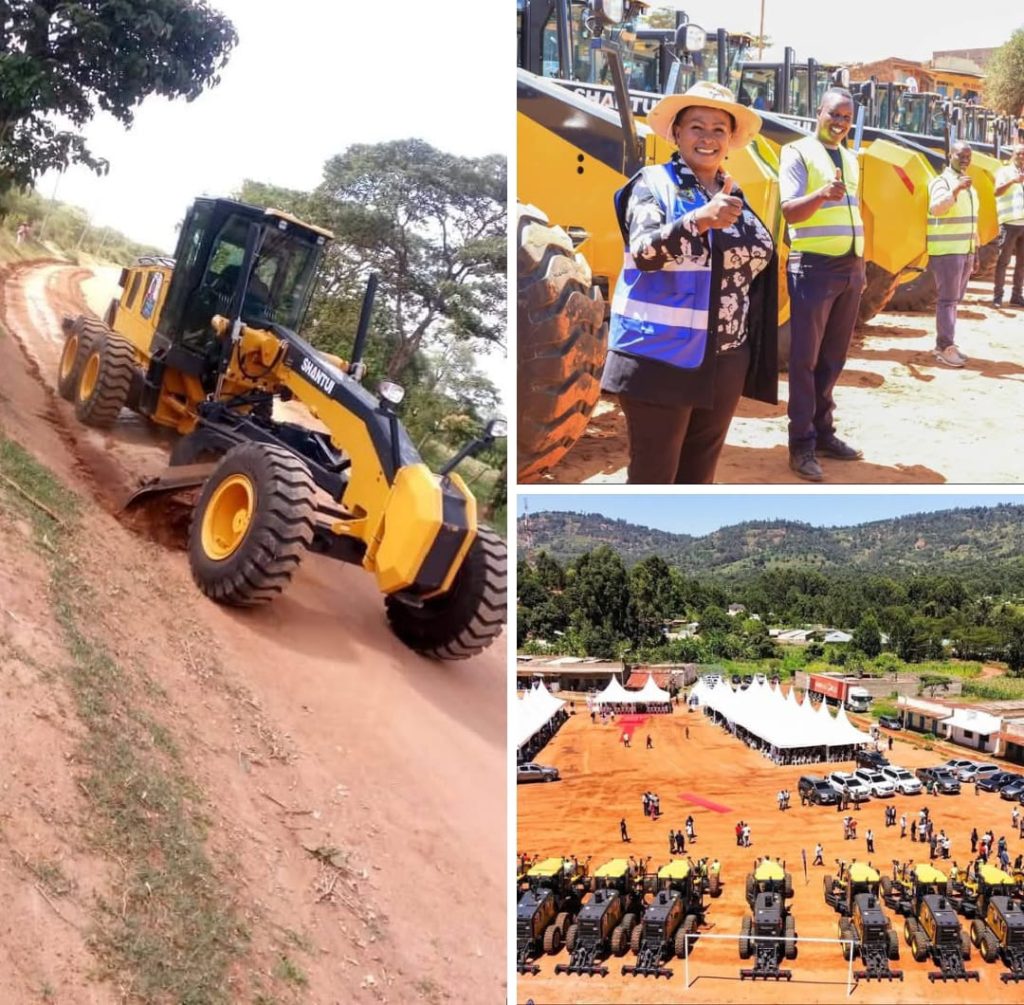
Governor Wavinya Ndeti is fast silencing critics with steel, grit, and early-morning action. Barely a day after unveiling 13 brand-new graders and rollers, the machines roared to life at exactly 7:59 a.m., already carving roads and reshaping terrain across Machakos County. This was not a staged photo-op or a fleeting PR moment it was a deliberate, boots-on-the-ground demonstration that the Barabara Mashinani initiative is real, rolling, and unstoppable.

The official launch at Lilongwe Stadium in Mutituni yesterday marked more than a ceremonial handover of machinery; it signaled a turning point in the county’s development narrative. Smooth, passable roads are no longer campaign slogans but a practical strategy to connect villages, towns, and markets. By improving road networks, the county is unlocking faster movement of people and goods, strengthening trade, and breathing life into local economies that have long been choked by poor infrastructure.
In a bold move to entrench accountability, each ward will now be assigned graders to handle road opening and maintenance and the graders will exit the ward when all roads are fully sorted, backed by dedicated fuel cards to curb wastage and fuel theft. This decentralized approach ensures transparency while empowering wards to take ownership of their road networks. It is a governance model that prioritizes service delivery over bureaucracy and results over excuses.
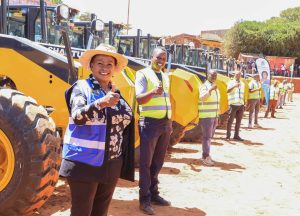


For doubters who questioned her resolve, Governor Wavinya delivered a pointed political message: leadership has no gender, only responsibility. She made it clear that her mandate is to serve all 40 wards whether or not some MCAs choose to cooperate. Delivery, she emphasized, is not about personalities or politics but about the people. With graders already at work, Machakos residents are witnessing a governor who talks less, acts more, and governs with unmistakable purpose.
About The Author